In short
- Daily cleaning and regular professional check-ups are the most important factors.
- Smoking and a history of gum disease increase the risk of problems.
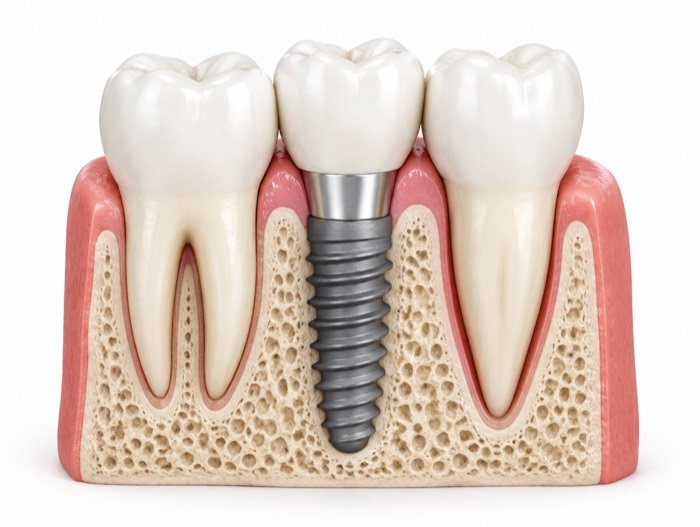
- The crown on top may need repair or replacement over the years. That is normal.
- The brand is only one factor, and usually not the biggest one.
What affects how long implants last
- Oral hygiene: plaque around implants causes inflammation, just as around teeth.
- Smoking: it increases the risk of implant complications.
- Gum disease history: people who have had periodontitis need especially careful follow-up.
- General health, for example poorly controlled diabetes.
- Bite forces and grinding: a night guard may be advised.
- The quality of planning, surgery and the restoration.
The European Federation of Periodontology's clinical guideline on peri-implant disease focuses on these factors: prevention through hygiene, regular maintenance and managing risk factors such as smoking.
Everyday care

- Brush twice a day around the implant crown and gumline.
- Clean between teeth and under bridges with interdental brushes or a water flosser.
- Go for professional cleaning and check-ups as your dentist advises, often every 3–6 months at first.
- See your dentist promptly if the gum around an implant bleeds, swells or feels sore.
Want to know what this would cost for you? Answer 5 quick questions and get a free, personalised quote within 24 hours. Get my free quote →
Get your free implant quoteTakes about 60 seconds
- Free & no obligation
- Reply within 24h
- Your data stays private
Frequently asked questions
Can an implant fail years later?
Yes, most often because of inflammation around it (peri-implantitis). Caught early it can often be treated, which is why regular check-ups matter.
Do implants get cavities?
No. The implant and crown cannot decay, but the gum and bone around them can become diseased.
Research referred to
- Herrera D et al. Prevention and treatment of peri-implant diseases—The EFP S3 level clinical practice guideline. J Clin Periodontol 2023. PubMed 37271498
Educational information only. Choosing an implant requires an examination by a qualified dentist.